
Metformin
Reduce the Risk of Certain Age-Related Diseases

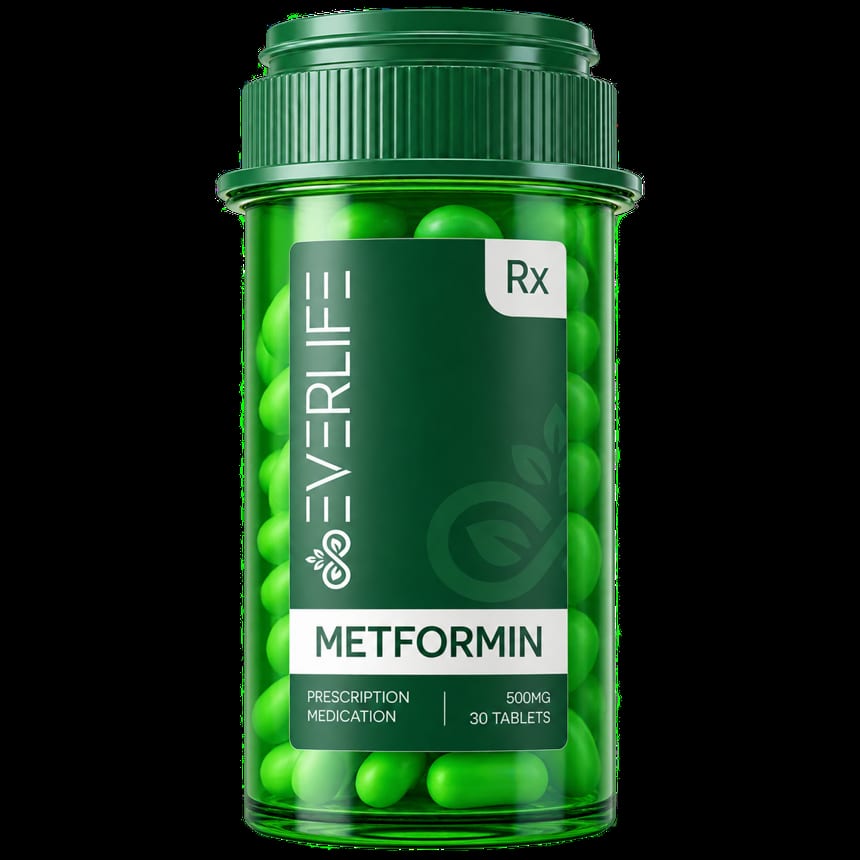
500 mg/day or as prescribed
- FDA-approved, doctor-prescribed medication
- Reduces insulin resistance and lowers blood sugar
- 500 mg/day or as prescribed
- Shipped in 30, 90, 150 day supply
- Free rush shipping to your door
The longevity classic — an FDA-approved daily tablet that lowers insulin resistance and activates the pathways associated with healthy aging.
Metformin is an FDA-approved prescription medication long used to manage blood sugar, now widely studied for its role in healthy aging. It reduces insulin resistance, improves how the body senses nutrients, and activates several pathways associated with longevity — including insulin/IGF-1 and mTOR signaling. It is taken as a simple daily oral tablet.
- Activates insulin/IGF-1 and mTOR longevity pathways
- FDA-approved and dispensed by a licensed U.S. pharmacy
- One daily oral tablet — nothing to inject or mix
Metformin Oral Tablet
30 tablets per bottle. 500 mg/day or as prescribed.
- FDA-approved, dispensed by a licensed pharmacy
- Shipped in 30, 90, 150 day supply
- Ongoing provider support and refills
Benefits of using Metformin
Live healthier,
longer
Metformin effectively activates pathways
associated with longevity, enhancing well-being
and possibly extending health span.
Activates longevity pathways
Potentially activates pathways that contribute to increased lifespan and health, similar to those observed in centenarians.
Reduces insulin resistance
Metformin significantly reduces insulin resistance, aiding in blood sugar regulation and potentially preventing type 2 diabetes.
Combats inflammation
By diminishing chronic inflammation, metformin helps counter the effects of inflammaging, linked to several age-related diseases and conditions.
Why it works
How Metformin works for longevity
Rated Excellent
2,100+ reviews from Everlife patients
Always on
clinical support to guide you through every milestone.
Trusted nationwide
patients on Everlife protocols across all 50 states.
Getting started
Three steps to shipped
Take a quick quiz
Answer a few medical questions online — about 3 minutes. No appointment, no waiting room.
Provider reviews & prescribes
A licensed U.S. provider reviews your information and, if appropriate, personalizes your Metformin prescription.
Ships free from pharmacy
Filled by a licensed U.S. pharmacy and delivered free and discreetly — with ongoing provider support.
Real members
Why thousands choose
Metformin
"My fasting glucose and A1C both came down at my next panel. Same routine, one small tablet with dinner."
"I started it for the longevity side. The afternoon energy crashes went away first, which I did not expect."
"My provider started me low, checked in, then adjusted. It feels managed, not just shipped."
FAQ
Questions about metformin
Metformin is a long-established prescription medication that helps your body use insulin more efficiently. It reduces the amount of sugar your liver releases, slows sugar absorption in the gut, and improves how your cells respond to insulin — supporting steadier blood sugar and healthier metabolic function over time.
Beyond blood-sugar control, metformin has been studied for its effects on cellular energy pathways — including AMPK activation — that are associated with healthy aging. Many members take it to support insulin sensitivity, weight management, and long-term metabolic health. Your clinician will discuss what the evidence does and does not show for your situation.
Metformin is taken by mouth, usually once or twice daily with food to minimize stomach upset. Your clinician typically starts you at a low dose and increases it gradually. Blood-sugar changes can appear within the first few weeks, while metabolic and body-composition benefits build over several months of consistent use.
Yes. Metformin is a prescription medication. Complete a short online health visit, and a licensed U.S. clinician reviews your history — often the same day. If it is a good fit, your prescription is filled by a licensed U.S. pharmacy and shipped free and discreetly to your door.
Metformin is one of the most widely prescribed and well-studied medications in the world, and it is generally well tolerated under medical supervision.
Common, usually temporary side effects include nausea, diarrhea, gas, or a metallic taste — most often during the first weeks or after a dose increase, and often eased by taking it with food. Long-term use can lower vitamin B12 levels, so your clinician may recommend periodic monitoring.
Rarely, metformin can cause lactic acidosis, a serious condition more likely in people with significant kidney, liver, or heart problems. Tell your clinician about your full medical history and any medications you take, and seek care promptly if you experience unusual muscle pain, trouble breathing, or extreme weakness.
Metformin may not be appropriate if you have reduced kidney function, significant liver disease, or a history of lactic acidosis, or if you are pregnant or breastfeeding. Alcohol use and certain medications also matter. Your Everlife-affiliated clinician reviews all of this before prescribing and stays available for follow-up.
Live better, longer.
Begin your Metformin prescription today — a quick consultation is all it takes.
Get Started Now
Metformin
Reduce the Risk of Certain Age-Related Diseases

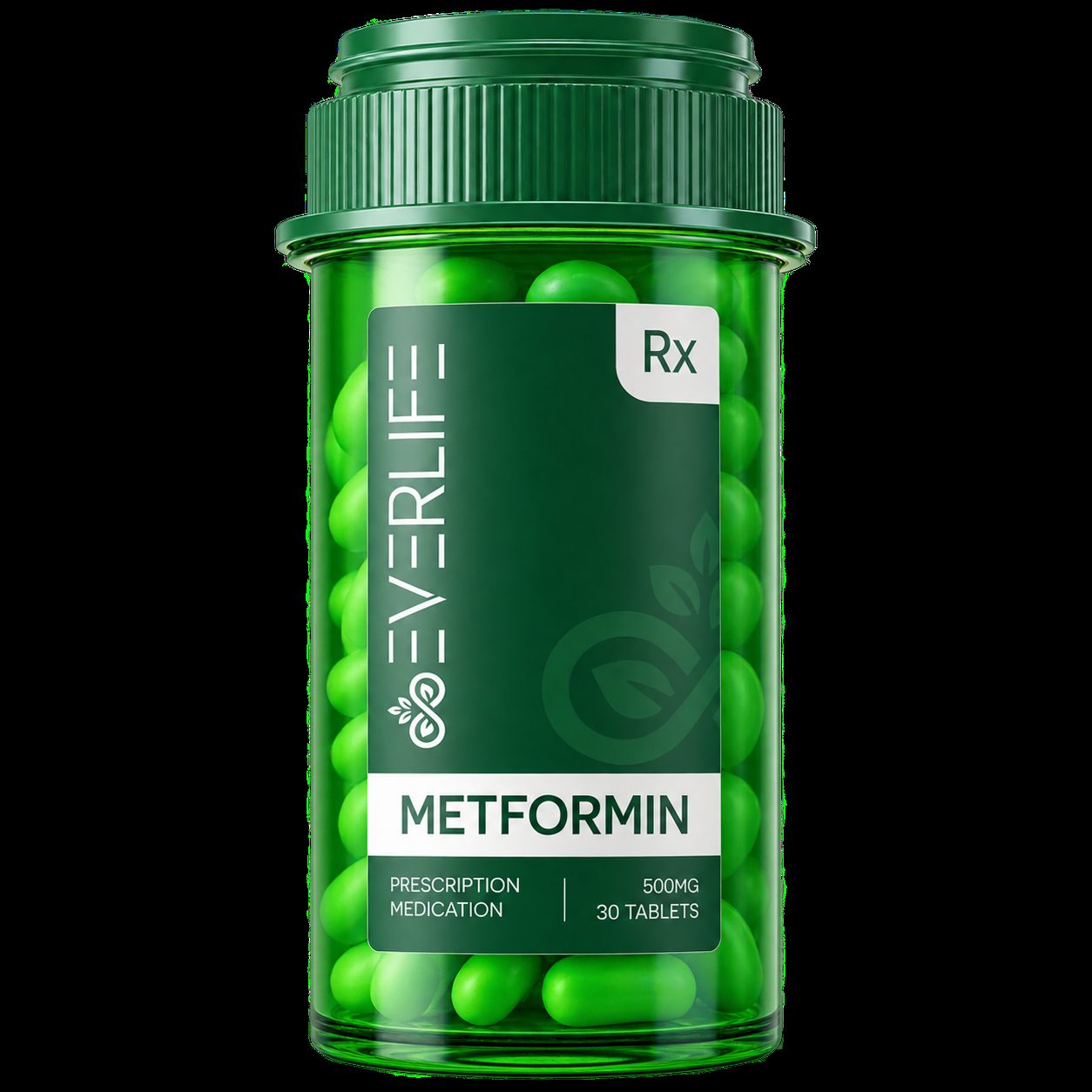
500 mg/day or as prescribed
- FDA-approved, doctor-prescribed medication
- Reduces insulin resistance and lowers blood sugar
- 500 mg/day or as prescribed
- Shipped in 30, 90, 150 day supply
- Free rush shipping to your door
The longevity classic — an FDA-approved daily tablet that lowers insulin resistance and activates the pathways associated with healthy aging.
Metformin is an FDA-approved prescription medication long used to manage blood sugar, now widely studied for its role in healthy aging. It reduces insulin resistance, improves how the body senses nutrients, and activates several pathways associated with longevity — including insulin/IGF-1 and mTOR signaling. It is taken as a simple daily oral tablet.
- Activates insulin/IGF-1 and mTOR longevity pathways
- FDA-approved and dispensed by a licensed U.S. pharmacy
- One daily oral tablet — nothing to inject or mix
Metformin Oral Tablet
30 tablets per bottle. 500 mg/day or as prescribed.
- FDA-approved, dispensed by a licensed pharmacy
- Shipped in 30, 90, 150 day supply
- Ongoing provider support and refills
Benefits of using Metformin
Live healthier,
longer
Metformin effectively activates pathways associated with longevity,
enhancing overall well-being and possibly extending health span.
Activates longevity pathways
Potentially activates pathways that contribute to increased lifespan and health, similar to those observed in centenarians.
Reduces insulin resistance
Metformin significantly reduces insulin resistance, aiding in blood sugar regulation and potentially preventing type 2 diabetes.
Combats inflammation
By diminishing chronic inflammation, metformin helps counter the effects of inflammaging, linked to several age-related diseases and conditions.
Why it works
How Metformin works for longevity
Rated Excellent
2,100+ reviews from Everlife patients
Always on
clinical support to guide you through every milestone.
Trusted nationwide
patients on Everlife protocols across all 50 states.
Getting started
Three steps to shipped
Take a quick quiz
Answer a few medical questions online — about 3 minutes. No appointment, no waiting room.
Provider reviews & prescribes
A licensed U.S. provider reviews your information and, if appropriate, personalizes your Metformin prescription.
Ships free from pharmacy
Filled by a licensed U.S. pharmacy and delivered free and discreetly — with ongoing provider support.
Real members
Why thousands choose Metformin
"My fasting glucose and A1C both came down at my next panel. Same routine, one small tablet with dinner."
"I started it for the longevity side. The afternoon energy crashes went away first, which I did not expect."
"My provider started me low, checked in, then adjusted. It feels managed, not just shipped."
FAQ
Questions about metformin
Metformin is a long-established prescription medication that helps your body use insulin more efficiently. It reduces the amount of sugar your liver releases, slows sugar absorption in the gut, and improves how your cells respond to insulin — supporting steadier blood sugar and healthier metabolic function over time.
Beyond blood-sugar control, metformin has been studied for its effects on cellular energy pathways — including AMPK activation — that are associated with healthy aging. Many members take it to support insulin sensitivity, weight management, and long-term metabolic health. Your clinician will discuss what the evidence does and does not show for your situation.
Metformin is taken by mouth, usually once or twice daily with food to minimize stomach upset. Your clinician typically starts you at a low dose and increases it gradually. Blood-sugar changes can appear within the first few weeks, while metabolic and body-composition benefits build over several months of consistent use.
Yes. Metformin is a prescription medication. Complete a short online health visit, and a licensed U.S. clinician reviews your history — often the same day. If it is a good fit, your prescription is filled by a licensed U.S. pharmacy and shipped free and discreetly to your door.
Metformin is one of the most widely prescribed and well-studied medications in the world, and it is generally well tolerated under medical supervision.
Common, usually temporary side effects include nausea, diarrhea, gas, or a metallic taste — most often during the first weeks or after a dose increase, and often eased by taking it with food. Long-term use can lower vitamin B12 levels, so your clinician may recommend periodic monitoring.
Rarely, metformin can cause lactic acidosis, a serious condition more likely in people with significant kidney, liver, or heart problems. Tell your clinician about your full medical history and any medications you take, and seek care promptly if you experience unusual muscle pain, trouble breathing, or extreme weakness.
Metformin may not be appropriate if you have reduced kidney function, significant liver disease, or a history of lactic acidosis, or if you are pregnant or breastfeeding. Alcohol use and certain medications also matter. Your Everlife-affiliated clinician reviews all of this before prescribing and stays available for follow-up.
Live better, longer.
Begin your Metformin prescription today — a quick consultation is all it takes.
Get Started NowFDA-approved, shipped free from a licensed U.S. pharmacy.